

Journal of Clinical Pediatrics ›› 2026, Vol. 44 ›› Issue (3): 192-201.doi: 10.12372/jcp.2026.25e0552
• Original Article • Previous Articles Next Articles
SHEN Zihan1,2, ZHANG Chuan1, ZHENG Lei1, ZHOU Bingbo1, TIAN Xinyuan1, WANG Yupei1( ), HUI Ling1,2()
Received:2025-05-16
Accepted:2025-09-25
Published:2026-03-15
Online:2026-03-06
CLC Number:
SHEN Zihan, ZHANG Chuan, ZHENG Lei, ZHOU Bingbo, TIAN Xinyuan, WANG Yupei, HUI Ling. Clinical and genetic analysis of two children with Bain type of X-linked intellectual disability caused by HNRNPH2 gene variations based on XCI analysis[J].Journal of Clinical Pediatrics, 2026, 44(3): 192-201.
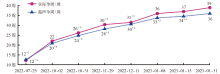
Figure 1
Comparison of actual and ultrasonographic-estimated gestational weeks of proband 1"

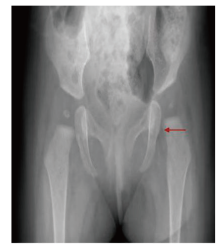
Figure 2
Anteroposterior radiographs of both hip joints of proband 2"
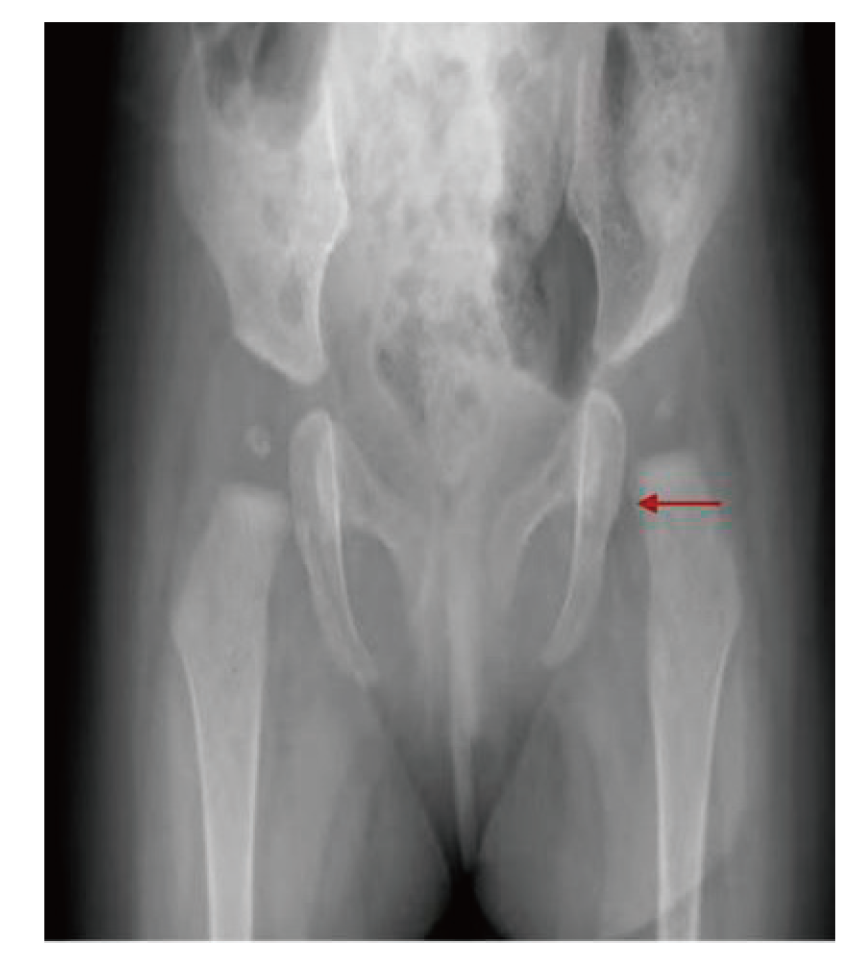
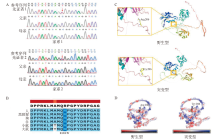
Figure 3
The Sanger sequencing images and bioinformatics analysis result images of the HNRNPH2 gene of the children in this study"
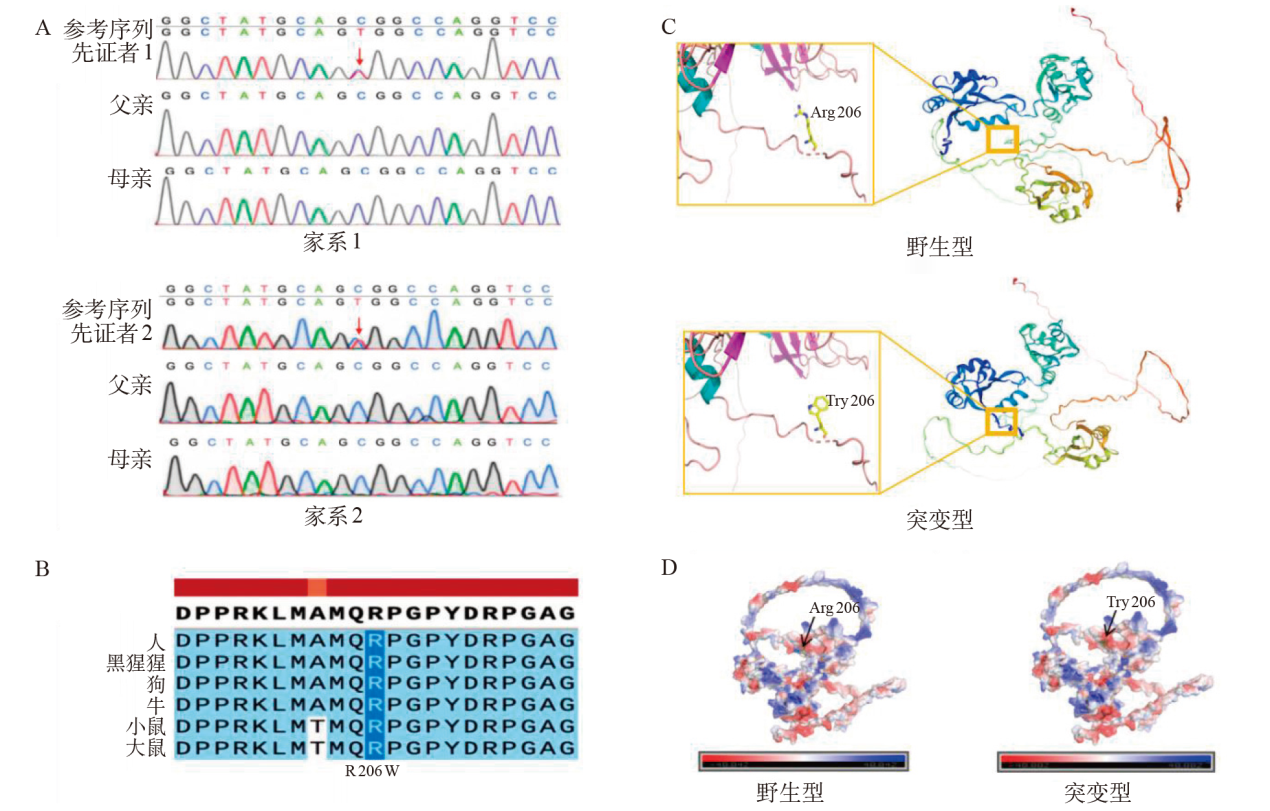

Figure 4
Schematic diagram of capillary electrophoresis and haplotype analysis results of X chromosome inactivation (XCI) in the family"
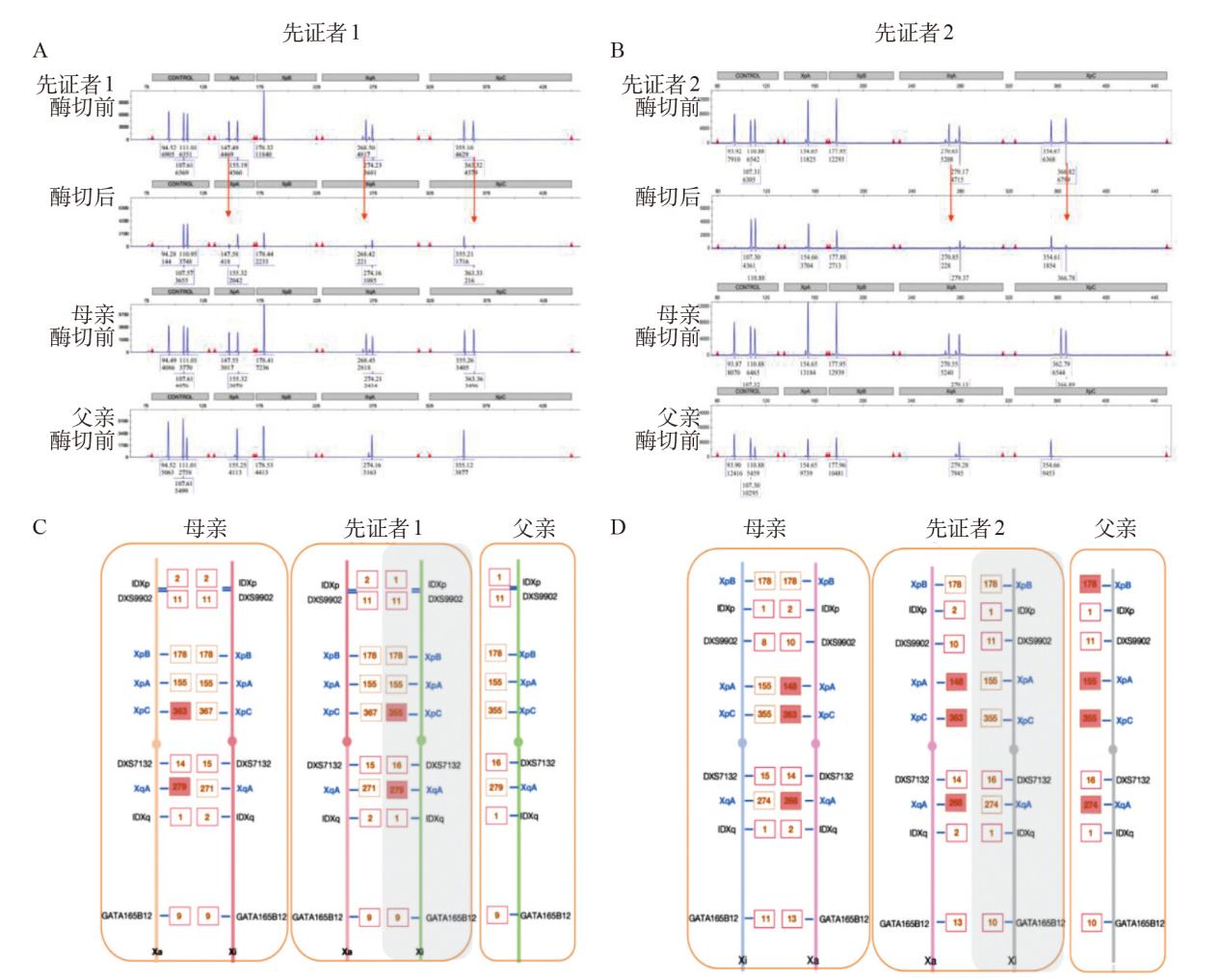

Figure 5
The hnRNP H2 protein’s heat map of pathogenicity prediction and the schematic diagram of the variation sites of this gene"
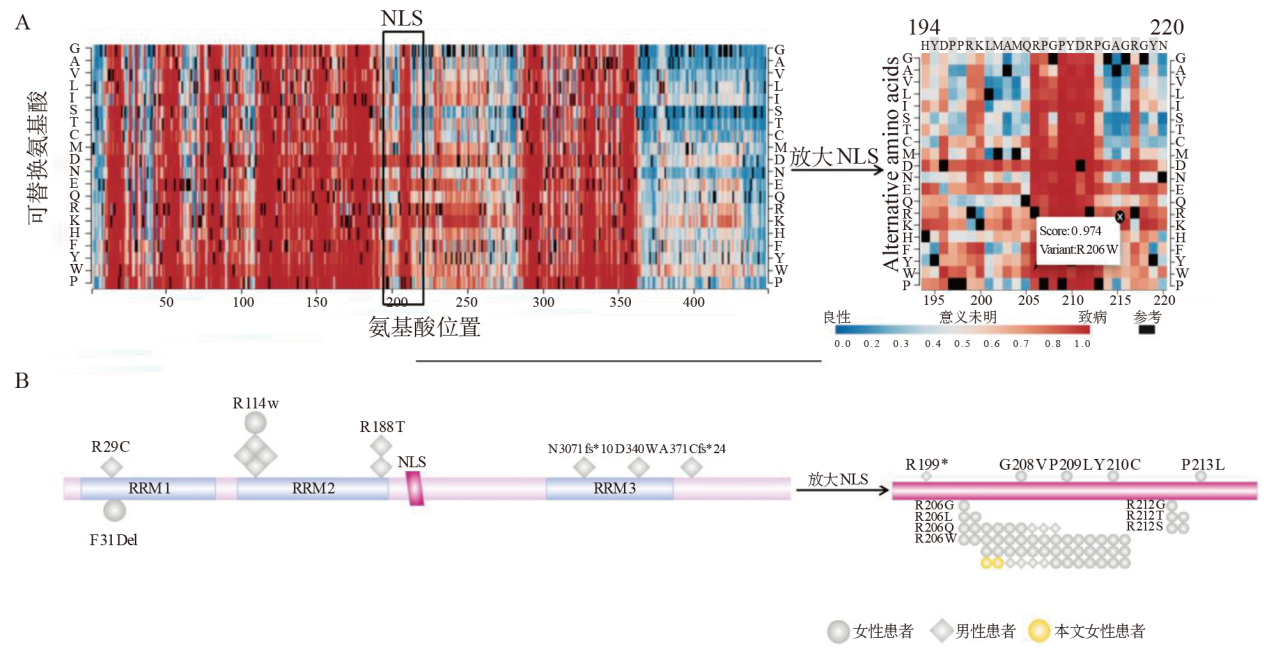

Table 1
Literature review on the clinical phenotype of patients with HNRNPH2 gene variations"
| 性别 | 文献 | 发育迟缓/ 智力障碍 | 肌肉骨骼 问题/ 运动障碍 | 语言发育 障碍 | 喂养困难/ 胃肠道 问题 | 异常 面容 | 精神行 为异常 | 睡眠障碍 | 小头 畸形 | 发育 倒退 | 癫痫 | 头颅影像 学异常 |
|---|---|---|---|---|---|---|---|---|---|---|---|---|
| 男性 | Bain等[ | 4/4 | 2/4 | 3/4 | 2/4 | 3/4 | 3/4 | 1/4 | 1/4 | 1/4 | 2/4 | 3/4 |
| Gillentine等[ | 1/1 | 1/1 | 0/1 | 0/1 | 1/1 | 0/1 | - | 0/1 | 0/1 | 0/1 | 0/1 | |
| Kreienkamp等[ | 8/8 | 7/8 | 7/8 | 3/8 | 7/8 | 6/8 | 5/8 | 2/8 | - | 4/8 | 2/8 | |
| Somashekar等[ | 1/1 | 1/1 | 1/1 | 1/1 | 1/1 | 1/1 | - | 1/1 | 1/1 | 1/1 | 0/1 | |
| Harmsen等[ | 1/1 | 1/1 | 1/1 | 1/1 | 1/1 | 0/1 | - | 1/1 | - | 0/1 | 0/1 | |
| Jepsen等[ | 2/2 | 2/2 | 2/2 | 2/2 | 0/2 | 1/2 | - | 1/2 | 2/2 | 1/2 | 2/2 | |
| Lin等[ | 1/1 | 1/1 | 1/1 | 1/1 | 1/1 | 0/1 | - | 1/1 | 1/1 | 0/1 | 0/1 | |
| 合计 | 18/18 | 15/18 | 15/18 | 10/18 | 14/18 | 11/18 | 6/12 | 7/18 | 5/9 | 8/18 | 7/18 | |
| (100%) | (83.33%) | (83.33%) | (55.56%) | (77.78%) | (61.11%) | (50.00%) | (38.89%) | (55.56%) | (44.44%) | (38.89%) | ||
| 女性 | Bain等[ | 29/29 | 20/29 | 22/29 | 24/29 | 18/29 | 22/29 | 10/28 | 9/29 | 11/29 | 10/29 | 8/28 |
| Gillentine等[ | 8/8 | 4/8 | 1/8 | 3/8 | 5/8 | 2/8 | - | 4/8 | 0/8 | 1/8 | 0/8 | |
| Somashekar等[ | 1/1 | 1/1 | 1/1 | 1/1 | - | 1/1 | - | 1/1 | 1/1 | 1/1 | 1/1 | |
| White-Brown等[ | 1/2 | 1/2 | 1/2 | 0/2 | 1/2 | 1/2 | 1/2 | 0/2 | 1/2 | 0/2 | 1/2 | |
| Peron等[ | 1/1 | 1/1 | 1/1 | 1/1 | 1/1 | 1/1 | 1/1 | 0/1 | 1/1 | 0/1 | 1/1 | |
| Demos等[ | 1/1 | 1/1 | - | 0/1 | 1/1 | 1/1 | - | 1/1 | - | 1/1 | 1/1 | |
| 先证者1 | 1/1 | 1/1 | 1/1 | 1/1 | 0/1 | 0/1 | 1/1 | 1/1 | 0/1 | 0/1 | 0/1 | |
| 先证者2 | 1/1 | 1/1 | 1/1 | 1/1 | - | 0/1 | 1/1 | 1/1 | 0/1 | 0/1 | 0/1 | |
| 合计 | 43/44 | 30/44 | 28/43 | 31/44 | 26/42 | 28/44 | 14/33 | 17/44 | 14/43 | 13/44 | 12/43 | |
| (97.73%) | (68.18%) | (65.12%) | (70.45%) | (61.90%) | (63.64%) | (42.42%) | (38.64%) | (32.56%) | (29.55%) | (27.91%) | ||
| 总计 | 61/62 | 45/62 | 43/61 | 41/62 | 40/60 | 39/62 | 20/45 | 24/62 | 19/52 | 21/62 | 19/61 | |
| (98.39%) | (72.58%) | (70.49%) | (66.13%) | (66.67%) | (62.90%) | (44.44%) | (38.71%) | (36.54%) | (33.87%) | (31.15 %) |
| [1] |
Bassani S, Zapata J, Gerosa L, et al. The neurobiology of X-linked intellectual disability[J]. Neuroscientist, 2013, 19(5): 541-552.
doi: 10.1177/1073858413493972 pmid: 23820068 |
| [2] | Bernardo P, Cuccurullo C, Rubino M, et al. X-linked epilepsies: a narrative review[J]. IJMS, 2024, 25(7): 4110. |
| [3] |
Kim HJ, Kim NC, Wang YD, et al. Mutations in prion-like domains in hnRNPA2B1 and hnRNPA1 cause multisystem proteinopathy and ALS[J]. Nature, 2013, 495(7442): 467-473.
doi: 10.1038/nature11922 |
| [4] |
Bain JM, Cho MT, Telegrafi A, et al. Variants in HNRNPH2 on the X Chromosome are associated with a neurodevelopmental disorder in females[J]. Am J Hum Genet, 2016, 99(3): 728-734.
doi: 10.1016/j.ajhg.2016.06.028 |
| [5] |
Richards S, Aziz N, Bale S, et al. Standards and guidelines for the interpretation of sequence variants: a joint consensus recommendation of the American College of Medical Genetics and Genomics and the Association for Molecular Pathology[J]. Genet Med, 2015, 17(5): 405-424.
doi: 10.1038/gim.2015.30 pmid: 25741868 |
| [6] | Sun Z, Fan J, Wang Y. X-chromosome inactivation and related diseases[J]. Genet Res (Camb), 2022, 2022: 1391807. |
| [7] | Loda A, Collombet S, Heard E. Gene regulation in time and space during X-chromosome inactivation[J]. Nat Rev Mol Cell Biol, 2022, 23(4): 231-249. |
| [8] |
Dardenne E, Polay Espinoza M, Fattet L, et al. RNA helicases DDX5 and DDX17 dynamically orchestrate transcription, miRNA, and splicing programs in cell differentiation[J]. Cell Rep, 2014, 7(6): 1900-1913.
doi: 10.1016/j.celrep.2014.05.010 pmid: 24910439 |
| [9] |
Chou MY, Rooke N, Turck CW, et al. hnRNP H is a component of a splicing enhancer complex that activates a c-src alternative exon in neuronal cells[J]. Mol Cell Biol, 1999, 19(1): 69-77.
doi: 10.1128/MCB.19.1.69 pmid: 9858532 |
| [10] |
Dominguez D, Freese P, Alexis MS, et al. Sequence, structure, and context preferences of human RNA binding proteins[J]. Mol Cell, 2018, 70(5): 854-867.
doi: S1097-2765(18)30351-4 pmid: 29883606 |
| [11] |
Varadi M, Anyango S, Deshpande M, et al. AlphaFold Protein Structure Database: massively expanding the structural coverage of protein-sequence space with high-accuracy models[J]. Nucleic Acids Res, 2022, 50(D1): D439-D444.
doi: 10.1093/nar/gkab1061 |
| [12] |
Jumper J, Evans R, Pritzel A, et al. Highly accurate protein structure prediction with AlphaFold[J]. Nature, 2021, 596(7873): 583-589.
doi: 10.1038/s41586-021-03819-2 |
| [13] |
Niu C, Zhang J, Gao F, et al. FUS-NLS/Transportin 1 complex structure provides insights into the nuclear targeting mechanism of FUS and the implications in ALS[J]. PLoS One, 2012, 7(10): e47056.
doi: 10.1371/journal.pone.0047056 |
| [14] |
Hu WF, Chahrour MH, Walsh CA. The diverse genetic landscape of neurodevelopmental disorders[J]. Annu Rev Genom Hum Genet, 2014, 15(1): 195-213.
doi: 10.1146/genom.2014.15.issue-1 |
| [15] |
Cotton AM, Price EM, Jones MJ, et al. Landscape of DNA methylation on the X chromosome reflects CpG density, functional chromatin state and X-chromosome inactivation[J]. Hum Mol Genet, 2015, 24(6): 1528-1539.
doi: 10.1093/hmg/ddu564 pmid: 25381334 |
| [16] |
Bain JM, Thornburg O, Pan C, et al. Detailed clinical and psychological phenotype of the X-linked HNRNPH2 -related neurodevelopmental disorder[J]. Neurol Genet, 2021, 7(1): e551.
doi: 10.1212/NXG.0000000000000551 |
| [17] |
Gillentine MA, Wang T, Hoekzema K, et al. Rare deleterious mutations of HNRNP genes result in shared neurodevelopmental disorders[J]. Genome Med, 2021, 13(1): 63.
doi: 10.1186/s13073-021-00870-6 pmid: 33874999 |
| [18] |
Kreienkamp HJ, Wagner M, Weigand H, et al. Variant-specific effects define the phenotypic spectrum of HNRNPH2-associated neurodevelopmental disorders in males[J]. Hum Genet, 2022, 141(2): 257-272.
doi: 10.1007/s00439-021-02412-x |
| [19] |
Somashekar PH, Narayanan DL, Jagadeesh S, et al. Bain type of X-linked syndromic mental retardation in a male with a pathogenic variant in HNRNPH2[J]. Am J Med Genet A, 2020, 182(1): 183-188.
doi: 10.1002/ajmg.a.61388 pmid: 31670473 |
| [20] |
Harmsen S, Buchert R, Mayatepek E, et al. Bain type of X-linked syndromic mental retardation in boys[J]. Clin Genet, 2019, 95(6): 734-735.
doi: 10.1111/cge.13524 pmid: 30887513 |
| [21] |
Jepsen WM, Ramsey K, Szelinger S, et al. Two additional males with X-linked, syndromic mental retardation carry de novo mutations in HNRNPH2[J]. Clin Genet, 2019, 96(2): 183-185.
doi: 10.1111/cge.13580 pmid: 31236915 |
| [22] |
Lin X, Yu S, Mao H, et al. hnRNPH2 as an inhibitor of chicken MDA5-mediated type I interferon response: analysis using chicken MDA5-host interactome[J]. Front Immunol, 2020, 11: 541267.
doi: 10.3389/fimmu.2020.541267 |
| [23] |
White-Brown AM, Lemire G, Ito YA, et al. A disease-causing variant in HNRNPH2 inherited from an unaffected mother with skewed X-inactivation[J]. Am J Med Genet A, 2022, 188(2): 668-671.
doi: 10.1002/ajmg.a.v188.2 |
| [24] |
Peron A, Novara F, La Briola F, et al. Missense variants in the Arg206 residue of HNRNPH2: further evidence of causality and expansion of the phenotype[J]. Am J Med Genet A, 2020, 182(4): 823-828.
doi: 10.1002/ajmg.a.v182.4 |
| [25] |
Demos M, Guella I, DeGuzman C, et al. Diagnostic yield and treatment impact of targeted exome sequencing in early-onset epilepsy[J]. Front Neurol, 2019, 10: 434.
doi: 10.3389/fneur.2019.00434 pmid: 31164858 |
| [26] |
Davis TJ, Salazar R, Beenders S, et al. A prospective, longitudinal study of caregiver-reported adaptive skills and function of individuals with HNRNPH2-related neurodevelopmental disorder[J]. Adv Neurodev Disord, 2024, 8(3): 445-456.
doi: 10.1007/s41252-023-00346-1 |
| [27] |
Korff A, Yang X, O'Donovan K, et al. A murine model of hnRNPH2-related neurodevelopmental disorder reveals a mechanism for genetic compensation by Hnrnph1[J]. J Clin Invest, 2023, 133(14): e160309.
doi: 10.1172/JCI160309 |
| [28] |
Kelvington BA, Abel T. hnRNPH2 gain-of-function mutations reveal therapeutic strategies and a role for RNA granules in neurodevelopmental disorders[J]. J Clin Invest, 2023, 133(14): e171499.
doi: 10.1172/JCI171499 |
| [29] |
Sun Y, Qian Y, Sun HX, et al. Case report: de novo DDX3X mutation caused intellectual disability in a female with skewed X-chromosome inactivation on the mutant allele[J]. Front Genet, 2022, 13: 999442.
doi: 10.3389/fgene.2022.999442 |
| [30] |
Kao HJ, Chiang HL, Chen HH, et al. De novo mutation and skewed X-inactivation in girl with BCAP31-related syndrome[J]. Hum Mutat, 2020, 41(10): 1775-1782.
doi: 10.1002/humu.v41.10 |
| [1] | PEI Haoyue, GONG Yiming, HAN Xinru, BAI Meirong, CHU Xun, ZHOU Ying. A novel compound heterozygous mutation in KIF12 causing progressive familial intrahepatic cholestasis: a case report [J]. Journal of Clinical Pediatrics, 2024, 42(9): 791-797. |
| [2] | WANG Libo, ZHANG Qianwen, YAO Ruen, TANG Yijun, GAO Shiyang, LI Zhiying, HU Feihan, LI Xin, LOU Dan, WANG Xiumin. Clinical characterization of five children with 17p13.3 microdeletion syndrome and evaluation of their efficacy [J]. Journal of Clinical Pediatrics, 2024, 42(11): 942-947. |
| [3] | ZHAO Peiwei, BI Bo, ZHANG Lei, HUANG Yufeng, TAN Li, HE Xuelian, ZHU Hongmin. Clinical features of three patients with ZTTK syndrome caused by SON gene mutation [J]. Journal of Clinical Pediatrics, 2023, 41(2): 113-116. |
| [4] | FU Haiyan, MA Li, SHI Weina, BAI Gelan, SUN Min, LIU Yali, CHENG Lijuan, JIA Xiaoyun, LI Guigui, ZHAO Shiguang, LI Xiaolei, XIA Yaofang, ZHAO Ruiqin. Clinical and genetic variation analysis of A20 haploinsufficiency presented as refractory diarrhea in three children [J]. Journal of Clinical Pediatrics, 2023, 41(11): 839-845. |
| [5] | ZHANG Kaichuang, LIANG Lili, ZHANG Huiwen, WANG Ruifang, YANG Yi, SUN Yuning, HAN Lianshu, YU Yongguo, QIU Wenjuan. Phenotype and genetic characteristics of diabetes mellitus in children [J]. Journal of Clinical Pediatrics, 2022, 40(5): 345-348. |
| [6] | LI Yanping, ZHANG Yongwei, CHEN Juan, et al. Study on a family of dilated cardiomyopathy caused by SRCAP gene mutation [J]. Journal of Clinical Pediatrics, 2021, 39(6): 449-. |
| [7] | MA Xiuwei, GU Ruijie, HOU Yu, et al. Clinical and genetic analysis of multiple congenital anomalies-hypotonia-seizures syndrome 1: a case report [J]. Journal of Clinical Pediatrics, 2021, 39(3): 213-. |
| [8] | YANG Yi, XIE Lijian, XIAO Tingting, et al. Pathogenic gene detection in restrictive cardiomyopathy: a case report [J]. Journal of Clinical Pediatrics, 2021, 39(1): 65-. |
| [9] | ZHANG Guangyu, LI Sansong, Yang Lei, et al. Clinical and genetic analysis of a patient with Joubert syndrome caused by MKS1 gene mutation [J]. Journal of Clinical Pediatrics, 2020, 38(2): 116-. |
| [10] | LIAN Qun, XU Shanshan, LI Lingli, et al. A patient with Mulibrey dwarfism caused by a novel homogeneous mutation in a splicing site of TRIM37 gene [J]. Journal of Clinical Pediatrics, 2019, 37(8): 612-. |
| [11] | ZHENG Jing, XIAO Yangyang, LIU Liqun, et al. Activated PI3K-δ syndrome caused by PIK3CD gene mutation: a case report and literature review [J]. Journal of Clinical Pediatrics, 2019, 37(4): 301-. |
| [12] | ZHAO Min, FENG Ying, CHEN Yuxia, LIU Ling, HUANG Qinrong, XIAO Nong, JIANG Wei . Analysis of clinical and pedigree genetics in two cases with neurodegeneration with brain iron accumulation 5 [J]. , 2018, 36(11): 820-. |
|
||
