

Journal of Clinical Pediatrics ›› 2026, Vol. 44 ›› Issue (5): 381-393.doi: 10.12372/jcp.2026.25e1596
• Standard · Protocol · Guideline • Next Articles
Professional Committee of Child Allergology, China Maternal and Child Health Association; Dermatology and Venereology Group of Pediatric Branch Society, Chinese Medical Association: Editorial Board of the Journal of Clinical Pediatrics
Received:2025-12-16
Accepted:2026-04-02
Published:2026-05-15
Online:2026-05-08
CLC Number:
Professional Committee of Child Allergology, China Maternal and Child Health Association, Dermatology and Venereology Group of Pediatric Branch Society, Chinese Medical Association: Editorial Board of the Journal of Clinical Pediatrics. Expert consensus on non-pharmacological interventions for atopic dermatitis in children[J].Journal of Clinical Pediatrics, 2026, 44(5): 381-393.
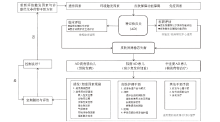
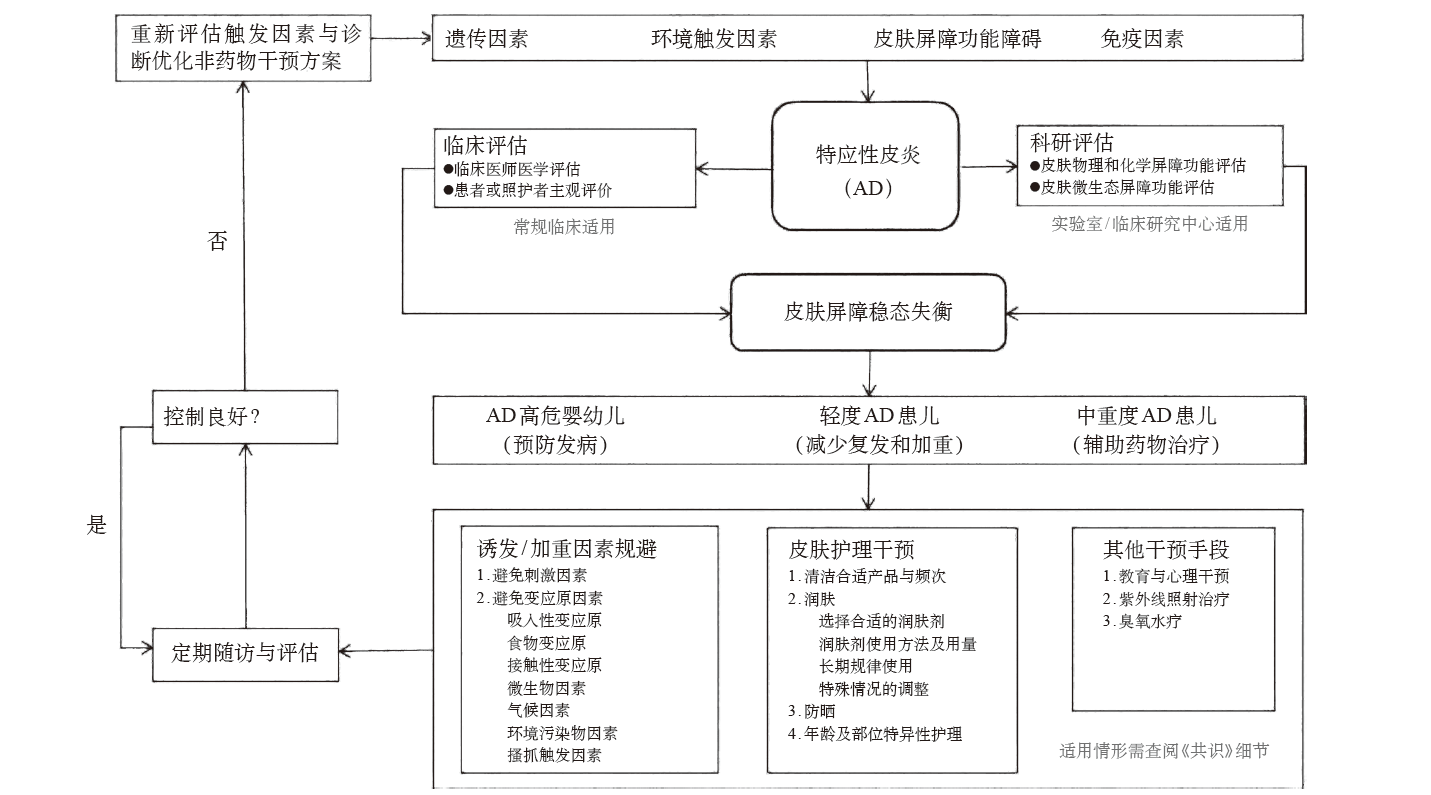
Figure 1
Flowchart of non-pharmacological intervention in the management of pediatric AD"
| [1] | 中华医学会皮肤性病学分会免疫学组, 特应性皮炎协作研究中心. 中国特应性皮炎诊疗指南(2020版) [J]. 中华皮肤科杂志, 2020, 53(2): 81-88. |
| Atopic Dermatitis Working Group, Immunology Group, Chinese Society of Dermatology. Chinese guideline for diagnosis and treatment of atopic dermatitis (2020)[J]. Zhonghua Pifuke Zazhi, 2020, 53(2): 81-88. | |
| [2] |
Laughter MR, Maymone MBC, Mashayekhi S, et al. The global burden of atopic dermatitis: lessons from the Global Burden of Disease Study 1990-2017[J]. Br J Dermatol, 2021, 184: 304-309.
doi: 10.1111/bjd.v184.2 |
| [3] | 顾恒, 尤立平, 刘永生, 等. 我国10城市学龄前儿童特应性皮炎现况调查[J]. 中华皮肤科杂志, 2004, 37: 29-31. |
| Gu H, You LP, Liu YS, et al. Prevalence survey of atopic dermatitis in preschool children in 10 cities of China[J]. Zhonghua Pifuke Zazhi, 2004, 37: 29-31. | |
| [4] |
Guo Y, Li P, Tang J, et al. Prevalence of atopic dermatitis in Chinese children aged 1-7 ys[J]. Sci Rep, 2016, 6: 29751.
doi: 10.1038/srep29751 |
| [5] |
Guo Y, Zhang H, Liu Q, et al. Phenotypic analysis of atopic dermatitis in children aged 1-12 months: elaboration of novel diagnostic criteria for infants in China and estimation of prevalence[J]. J Eur Acad Dermatol Venereol, 2019, 33: 1569-1576.
doi: 10.1111/jdv.15618 pmid: 30989708 |
| [6] |
Nie Z, Xiao R, Song J, et al. Economic burden and healthcare resource utilization of childhood atopic dermatitis in China[J]. Journal of Chinese Pharmaceutical Sciences, 2024, 33: 458-469.
doi: 10.5246/10031057 |
| [7] |
Paller AS, Spergel JM, Mina-Osorio P, et al. The atopic march and atopic multimorbidity: Many trajectories, many pathways[J]. J Allergy Clin Immunol, 2019, 143: 46-55.
doi: S0091-6749(18)31638-5 pmid: 30458183 |
| [8] |
Gustafsson D, Sjöberg O, Foucard T. Development of allergies and asthma in infants and young children with atopic dermatitis-a prospective follow-up to 7 years of age[J]. Allergy, 2000, 55: 240-245.
doi: 10.1034/j.1398-9995.2000.00391.x pmid: 10753014 |
| [9] |
Wu KK, Borba AJ, Deng PH, et al. Association between atopic dermatitis and conjunctivitis in adults: a population-based study in the United States[J]. J Dermatol Treat, 2019, 32: 455-459.
doi: 10.1080/09546634.2019.1659480 |
| [10] |
Silverberg JI. Comorbidities and the impact of atopic dermatitis[J]. Ann Allergy Asthma Immunol, 2019, 123: 144-151.
doi: 10.1016/j.anai.2019.04.020 |
| [11] | Russo F, Santi F, Cioppa V, et al. Meeting the needs of patients with atopic dermatitis: a multidisciplinary approach[J]. Dermatitis, 2022, 33: S141-S143. |
| [12] |
Kuo IH, Yoshida T, De Benedetto A, et al. The cutaneous innate immune response in patients with atopic dermatitis[J]. J Allergy Clin Immunol, 2013, 131: 266.
doi: 10.1016/j.jaci.2012.12.1563 pmid: 23374259 |
| [13] |
Boguniewicz M, Leung DY. Atopic dermatitis: a disease of altered skin barrier and immune dysregulation[J]. Immunol Rev, 2011, 242: 233.
doi: 10.1111/j.1600-065X.2011.01027.x pmid: 21682749 |
| [14] |
Tsakok T, Woolf R, Smith CH, et al. Atopic dermatitis: the skin barrier and beyond[J]. Br J Dermatol, 2019, 180: 464.
doi: 10.1111/bjd.16934 pmid: 29969827 |
| [15] |
Ständer S. Atopic dermatitis[J]. N Engl J Med, 2021, 384: 1136.
doi: 10.1056/NEJMra2023911 |
| [16] |
Czarnowicki T, He H, Krueger JG, et al. Atopic dermatitis endotypes and implications for targeted therapeutics[J]. J Allergy Clin Immunol, 2019, 143 (1): 1-11.
doi: S0091-6749(18)31572-0 pmid: 30612663 |
| [17] | 范曼如, 申泉, 王丹琦, 等. 临床实践指南制订方法 - 形成推荐意见的共识方法学[J]. 中国循证心血管医学杂志, 2019, 11 (6): 647-653. |
| Fan MR, Shen Q, Wang DQ. Et. al. Methodology for clinical practice guidelines - consensus methods for building recommendations[J]. Zhongguo Xunzheng Xinxueguanxue Zazhi, 2019, 11(6): 647-653. | |
| [18] | Hemalatha M, Dev A, Mahajan R, et al. Non-pharmacological therapies and their efficacy in atopic dermatitis: A narrative review[J]. Indian J Dermatol Venereol Leprol, 2025, 24:1-9. |
| [19] |
Gangadharan G. Non-pharmacologic therapies for atopic dermatitis[J]. Curr Allergy Asthma Rep, 2013, 13(5): 528-538.
doi: 10.1007/s11882-013-0371-y |
| [20] |
Dajnoki Z, Kapitány A, Eyerich K, et al. Topographical variations in the skin barrier and their role in disease pathogenesis[J]. J Eur Acad Dermatol Venereol, 2025, 39: 1228-1238.
doi: 10.1111/jdv.v39.7 |
| [21] |
Criado PR, Miot HA, Bueno-Filho R, et al. Update on the pathogenesis of atopic dermatitis[J]. An Bras Dermatol, 2024, 99(6): 895-915.
doi: 10.1016/j.abd.2024.06.001 pmid: 39138034 |
| [22] |
Yang G, Seok JK, Kang HC, et al. Skin barrier abnormalities and immune dysfunction in atopic dermatitis[J]. Int J Mol Sci, 2020, 21: 2867.
doi: 10.3390/ijms21082867 |
| [23] |
Fernández-Gallego N, Sánchez-Madrid F, Cibrian D. Role of AHR ligands in skin homeostasis and cutaneous inflammation[J]. Cells, 2021, 10: 3176.
doi: 10.3390/cells10113176 |
| [24] |
Mosca S, Ottaviani M, Briganti S, et al. The sebaceous gland: a key player in the balance between homeostasis and inflammatory skin diseases[J]. Cells, 2025, 14: 747.
doi: 10.3390/cells14100747 |
| [25] | 中华医学会, 中华医学会杂志社, 中华医学会皮肤性病学分会, 等. 儿童特应性皮炎基层诊疗指南[J]. 中华全科医师杂志, 2023, 22: 8-18. |
| Chinese Medical Association, Editorial Office of Chinese Medical Association, Chinese Society of Dermatology and Venereology, et al. Guidelines for the primary care of atopic dermatitis in children[J]. Zhonghua Quanke Yishi Zazhi, 2023, 22: 8-18. | |
| [26] |
Pucci N, Novembre E, Cammarata MG, et al. Scoring atopic dermatitis in infants and young children: distinctive features of the SCORAD index[J]. Allergy, 2005, 60(1): 113-116.
doi: 10.1111/j.1398-9995.2004.00622.x pmid: 15575941 |
| [27] |
Thomas KS, Howells L, Leshem YA, et al. How to use the harmonising outcome measures for eczema core outcome set for atopic dermatitis trials: a users' guide[J]. Br J Dermatol, 2024, 190(4): 527-535.
doi: 10.1093/bjd/ljad497 |
| [28] | 王珊, 马琳. 特应性皮炎严重程度评估[J]. 中国医学文摘皮肤科学, 2016, 33(2): 154-159. |
| Wang S, Ma L. Severity measurement of atopic dermatitis[J]. Zhongguo Yixue Wenzhai Pifukexue, 2016, 33(2): 154-159. | |
| [29] | 中华医学会皮肤性病学分会免疫学组, 特应性皮炎协作研究中心. 中国特应性皮炎诊疗指南(2014版)[J]. 中华皮肤科杂志, 2014, 47(7): 511-514. |
| Atopic Dermatitis Working Group, Immunology Group, Chinese Society of Dermatology. Guideline for diagnosis and treatment of atopic dermatitis in China (2014)[J]. Zhonghua Pifuke Zazhi, 2014, 47(7): 511-514. | |
| [30] |
Horimukai K, Morita K, Narita M, et al. Transepidermal water loss measurement during infancy can predict the subsequent development of atopic dermatitis regardless of filaggrin mutations[J]. Allergol Int, 2016, 65(1): 103-108.
doi: 10.1016/j.alit.2015.09.004 pmid: 26666481 |
| [31] |
Ye Y, Zhao P, Dou L, et al. Dynamic trends in skin barrier function from birth to age 6 months and infantile atopic dermatitis: A Chinese prospective cohort study[J]. Clin Transl Allergy, 2021, 11(5): e12043.
doi: 10.1002/clt2.v11.5 |
| [32] |
Werner Y. The water content of the stratum corneum in patients with atopic dermatitis. Measurement with the Corneometer CM 420[J]. Acta Derm Venereol, 1986, 66(4): 281-284.
doi: 10.2340/0001555566281284 |
| [33] | 中华医学会皮肤性病学分会儿童皮肤病学组. 中国儿童特应性皮炎诊疗共识(2017版)[J]. 中华皮肤科杂志, 2017, 50: 784-789. |
| Chinese Society of Pediatric Dermatology, Chinese Medical Association. Consensus on diagnosis and treatment of atopic dermatitis in Chinese children (2017)[J]. Zhonghua Pifuke Zazhi, 2017, 50: 784-789. | |
| [34] | Firooz A, Gorouhi F, Davari P, et al. Comparison of hydration, sebum and pH values in clinically normal skin of patients with atopic dermatitis and healthy controls[J]. Clin Exp Dermatol, 2008, 22(3): 321-322. |
| [35] |
Panther DJ, Jacob SE. The Importance of acidification in atopic eczema: an underexplored avenue for treatment[J]. J Clin Med, 2015, 4(5): 970-978.
doi: 10.3390/jcm4050970 pmid: 26239459 |
| [36] |
Kong HH, Oh J, Deming C, et al. Temporal shifts in the skin microbiome associated with disease flares and treatment in children with atopic dermatitis[J]. Genome Res, 2012, 22(5): 850-859.
doi: 10.1101/gr.131029.111 pmid: 22310478 |
| [37] |
Totte JE, Feltz WT, Hennekam M, et al. Prevalence and odds of staphylococcus aureus carriage in atopic dermatitis: a systematic review and meta-analysis[J]. Br J Dermatol, 2016, 175(3): 687-695.
doi: 10.1111/bjd.2016.175.issue-4 |
| [38] | Fleury OM, McAleer MA, Feuillie C, et al. Clumping factor B promotes adherence of staphylococcus aureus to corneocytes in atopic dermatitis[J]. Infect Immun, 2017, 85(11): e00994-16. |
| [39] | 中国抗衰老促进会. T/ZGKSL 002—2023 皮肤微生态调节型化妆品功效评价团体标准[S]. [2023-03-31]. https://www.ttbz.org.cn/StandardManage/BuyDetail/79499/ |
| China Anti-Aging Promotion Association. T/ZGKSL 002—2023 group standard for efficacy evaluation of skin microbiome-regulating cosmetics[S]. [2023-03-31]. https://www.ttbz.org.cn/StandardManage/BuyDetail/79499/ | |
| [40] |
Mobolaji-Lawal M, Nedorost S. The role of textiles in dermatitis: an update[J]. Curr Allergy Asthma Rep, 2015, 15: 17.
doi: 10.1007/s11882-015-0518-0 |
| [41] |
Ricci G, Patrizi A, Bendandi B, et al. Clinical effectiveness of a silk fabric in the treatment of atopic dermatitis[J]. Br J Dermatol, 2004, 150: 127-131.
doi: 10.1111/bjd.2004.150.issue-1 |
| [42] |
Jaros J, Wilson C, Shi V. Fabric selection in atopic dermatitis: an evidence-based review[J]. Am J Clin Dermatol, 2020, 21: 467-482.
doi: 10.1007/s40257-020-00516-0 pmid: 32440827 |
| [43] |
Amin M, Elkady H. Prevalence of common sensitizing aeroallergens in patients with atopic dermatitis[J]. Cytokine, 2023, 162: 156087.
doi: 10.1016/j.cyto.2022.156087 |
| [44] |
Akar-Ghibril N, Casale T, Custovic A, et al. Allergic endotypes and phenotypes of asthma[J]. J Allergy Clin Immunol Pract, 2020, 8: 429-440.
doi: S2213-2198(19)30947-X pmid: 32037107 |
| [45] | Farrokhi S, Gheybi M, Movahed A, et al. Common aeroallergens in patients with asthma and allergic rhinitis living in southwestern part of Iran: Based on skin prick test reactivity[J]. Iran J Allergy Asthma Immunol, 2015, 14: 133-138. |
| [46] |
Craig T. Aeroallergen sensitization in asthma: prevalence and correlation with severity[J]. Allergy Asthma Proc, 2010, 31: 96-102.
doi: 10.2500/aap.2010.31.3310 pmid: 20406591 |
| [47] |
Eiringhaus K, Renz H, Matricardi P, et al. Component-resolved diagnosis in allergic rhinitis and asthma[J]. J Appl Lab Med, 2019, 3: 883-898.
doi: 10.1373/jalm.2018.026526 pmid: 31639763 |
| [48] |
Criton S, Gangadharan G. Nonpharmacological management of atopic dermatitis[J]. Indian Journal of Paediatric Dermatology, 2017, 18: 166-173.
doi: 10.4103/2319-7250.207605 |
| [49] | Nankervis H, Pynn E, BoyleR, et al. House dust mite reduction and avoidance measures for treating eczema[J]. Cochrane Database Syst Rev, 2015, 1: CD008426. |
| [50] |
Wilson J, Platts-Mills T. Home environmental interventions for house dust mite[J]. J Allergy Clin Immunol Pract, 2018, 6: 1-7.
doi: S2213-2198(17)30753-5 pmid: 29310755 |
| [51] | Klimek L, Brehler R, Bergmann K, et al. Avoidance measures for mite allergy-an update[J]. Allergo J Int, 2023, 32. |
| [52] |
Zuiani C, Custovic A. Update on house dust mite allergen avoidance measures for asthma[J]. Curr Allergy Asthma Rep, 2020, 20: 50.
doi: 10.1007/s11882-020-00948-y |
| [53] |
Popescu F, Ganea C, Panaitescu C, et al. Molecular diagnosis in cat allergy[J]. World J Methodol, 2021, 11: 46-60.
doi: 10.5662/wjm.v11.i3.46 |
| [54] |
Chan S, Leung D. Dog and cat allergies: Current state of diagnostic approaches and challenges[J]. Allergy Asthma Immunol Res, 2018, 10: 97-105.
doi: 10.4168/aair.2018.10.2.97 |
| [55] |
Krämer U, Weidinger S, Darsow U, et al. Seasonality in symptom severity influenced by temperature or grass pollen: Results of a panel study in children with eczema[J]. J Invest Dermatol, 2005, 124: 514-523.
doi: 10.1111/j.0022-202X.2005.23625.x pmid: 15737191 |
| [56] |
Werfel T, Heratizadeh A, Niebuhr M, et al. Exacerbation of atopic dermatitis on grass pollen exposure in an environmental challenge chamber[J]. J Allergy Clin Immunol, 2015, 136: 96-103.
doi: 10.1016/j.jaci.2015.04.015 pmid: 26044854 |
| [57] |
Dhar S, Malakar R, Banerjee R, et al. An uncontrolled open pilot study to assess the role of dietary eliminations in reducing the severity of atopic dermatitis in infants and children[J]. Indian J Dermatol 2009, 54: 183-185.
doi: 10.4103/0019-5154.53187 pmid: 20101317 |
| [58] |
Oykhman P, Dookie J, Al-Rammahy H, et al. Dietary elimination for the treatment of atopic dermatitis: a systematic review and meta-analysis[J]. J Allergy Clin Immunol Pract, 2022, 10: 2657.
doi: 10.1016/j.jaip.2022.06.044 pmid: 35987995 |
| [59] |
Du Toit G, Roberts G, Sayre P, et al. Randomized trial of peanut consumption in infants at risk for peanut allergy[J]. N Engl J Med, 2015, 372: 803-813.
doi: 10.1056/NEJMoa1414850 |
| [60] |
Skjerven H, Lie A, Vettukattil R, et al. Early food intervention and skin emollients to prevent food allergy in young children (PreventADALL): a factorial, multicentre, cluster-randomised trial[J]. Lancet, 2022, 399: 2398-2311.
doi: 10.1016/S0140-6736(22)00687-0 pmid: 35753340 |
| [61] |
Perkin M, Logan K, Marrs T, et al. Enquiring about tolerance (EAT) study: Feasibility of an early allergenic food introduction regimen[J]. J Allergy Clin Immunol, 2016, 137: 1477-1486.
doi: 10.1016/j.jaci.2015.12.1322 pmid: 26896232 |
| [62] |
Shaughnessy CN, Malajian D, Belsito DV. Cutaneous delayed-type hypersensitivity in patients with atopic dermatitis: reactivity to topical preservatives[J]. J Am Acad Dermatol, 2014, 70: 102.
doi: 10.1016/j.jaad.2013.08.046 pmid: 24220722 |
| [63] |
Malajian D, Belsito DV. Cutaneous delayed-type hypersensitivity in patients with atopic dermatitis[J]. J Am Acad Dermatol, 2013, 69: 232.
doi: 10.1016/j.jaad.2013.03.012 pmid: 23583066 |
| [64] |
Eichenfield LF, Tom WL, Berger TG, et al. Guidelines of care for the management of atopic dermatitis: section 2. Management and treatment with topical therapies[J]. J Am Acad Dermatol, 2014, 71(1): 116-132.
doi: 10.1016/j.jaad.2014.03.023 pmid: 24813302 |
| [65] |
Harkins CP, Holden MTG, Irvine AD. Antimicrobial resistance in atopic dermatitis: need for an urgent rethink[J]. Ann Allergy Asthma Immunol, 2019, 122(3): 236-240.
doi: 10.1016/j.anai.2018.11.027 |
| [66] |
Shah RA, Hsu JI, Patel RR, et al. Antibiotic resistance in dermatology: the scope of the problem and strategies to address it[J]. J Am Acad Dermatol, 2022, 86(6): 1337-1345.
doi: 10.1016/j.jaad.2021.09.024 |
| [67] |
Kantor R, Silverberg JI. Environmental risk factors and their role in the management of atopic dermatitis[J]. Expert Rev Clin Immunol, 2017, 13(1): 15-26.
doi: 10.1080/1744666X.2016.1212660 |
| [68] |
Murota H, Yamaga K, Ono E, et al. Sweat in the pathogenesis of atopic dermatitis[J]. Allergol Int, 2018, 67(4): 455-459.
doi: S1323-8930(18)30088-1 pmid: 30082151 |
| [69] | Wollenberg A, Barbarot S, Bieber T, et al. Consensus-based European guidelines for treatment of atopic eczema (atopic dermatitis) in adults and children: Part I[J]. J EurAcad Dermatol Venereol, 2018, 32: 657-682. |
| [70] |
Kantor R, Kim A, Thyssen J, et al. Association of atopic dermatitis with smoking: a systematic review and meta-analysis[J]. J Am Acad Dermatol, 2016, 75: 1119-1125.
doi: S0190-9622(16)30495-9 pmid: 27542586 |
| [71] |
Lavda AC, Webb TL, Thompson AR. A meta-analysis of the effectiveness of psychological interventions for adults with skin conditions[J]. Br J Dermatol, 2012, 167: 970.
doi: 10.1111/j.1365-2133.2012.11183.x pmid: 22924999 |
| [72] |
Schut C, Mollanazar NK, Kupfer J, et al. Psychological Interventions in the treatment of chronic itch[J]. Acta Derm Venereol, 2016, 96: 157.
doi: 10.2340/00015555-2177 |
| [73] |
Bae BG, Oh SH, Park CO, et al. Progressive muscle relaxation therapy for atopic dermatitis: objective assessment of efficacy[J]. Acta Derm Venereol, 2012, 92: 57.
doi: 10.2340/00015555-1189 |
| [74] | Singleton H, Hodder A, Almilaji O, et al. Educational and psychological interventions for managing atopic dermatitis (eczema)[J]. Cochrane Database Syst Rev, 2024, 8: CD014932. |
| [75] |
Kengmo TA, Kretschmer D, Schittek B, et al. The epidermal lipid barrier in microbiome-skin interaction[J]. Trends Microbiol, 2023, 31(7): 723-734.
doi: 10.1016/j.tim.2023.01.009 pmid: 36822953 |
| [76] |
Pagliaro M, Pecoraro L, Stefani C, et al. Bathing in Atopic Dermatitis in Pediatric Age: Why, How and When[J]. Pediatric Reports, 2024, 16(1): 57-68.
doi: 10.3390/pediatric16010006 pmid: 38251315 |
| [77] |
Brar KK, Nicol NH, Boguniewicz M. Strategies for successful management of severe atopic dermatitis[J]. J Allergy Clin Immunol Pract, 2019, 7(1): 1-16.
doi: S2213-2198(18)30678-0 pmid: 30598172 |
| [78] |
Salminen S, Collado M C, Endo A, et al. The international scientific association of probiotics and prebiotics (ISAPP) consensus statement on the definition and scope of postbiotics[J]. Nat Rev Gastroenterol Hepatol, 2021, 18(9): 649-667.
doi: 10.1038/s41575-021-00440-6 pmid: 33948025 |
| [79] | 中国人体健康科技促进会皮肤病专业委员会, 中国非公立医疗机构协会皮肤专业委员会. 皮肤微生态与皮肤健康专家共识(第 3 部分:皮肤微生态与科学护肤)[J]. 临床皮肤科杂志, 2024, 53, 114-117. |
| Dermatology Professional Committee of the China Association for the Promotion of Human Health Science and Technology, Dermatology Professional Committee of the China Association of Non-public Medical Institutions. Experts' consensus on skin microecology and skin health (partⅢ: skin microecology and scientific skin care)[J]. Linchuang Pifuke Zazhi, 2024, 53: 114-117. | |
| [80] |
Rusu E, Enache G, Cursaru R, et al. Prebiotics and probiotics in atopic dermatitis[J]. Exp Ther Med, 2019, 18(2): 926-931.
doi: 10.3892/etm.2019.7678 pmid: 31384325 |
| [81] |
Umborowati MA, Damayanti D, Anggraeni S, et al. The role of probiotics in the treatment of adult atopic dermatitis: a meta-analysis of randomized controlled trials[J]. J Health Popul Nutr, 2022, 41(1): 37.
doi: 10.1186/s41043-022-00318-6 pmid: 35978397 |
| [82] | Hemalatha M, Dev A, Mahajan R, et al. Non-pharmacological therapies and their efficacy in atopic dermatitis: a narrative review[J]. Indian J Dermatol Venereol Leprol, 2025, 24: 1-9. |
| [83] |
Hebert AA, Rippke F, Weber TM, et al. Efficacy of nonprescription moisturizers for atopic dermatitis: an updated review of clinical evidence[J]. Am J Clin Dermatol, 2020, 21(4): 641-655.
doi: 10.1007/s40257-020-00529-9 |
| [84] |
Purnamawati S, Indrastuti N, Danarti R, et al. The role of moisturizers in addressing various kinds of dermatitis: a review[J]. Clin Med Res, 2017, 15(3-4): 75-87.
doi: 10.3121/cmr.2017.1363 pmid: 29229630 |
| [85] |
Hon K, Wong K, Cheung L, et al. Efficacy and problems associated with using a wet-wrap garment for children with severe atopic dermatitis[J]. J Dermatolog Treat, 2007, 18: 301-305.
doi: 10.1080/09546630701567386 |
| [86] | 中华医学会皮肤性病学分会儿童学组, 中国医师协会皮肤科医师分会儿童皮肤病专业委员会. 功效性护肤品在儿童特应性皮炎中的应用指南[J]. 中国皮肤性病学杂志, 2020, 34(9): 977-981. |
| Pediatric Dermatology Group of Chinese Society of Dermatology, Pediatric Dermatology Committee of Dermatologist Branch of Chinese Medical Doctor Association. Guidelines for the application of functional skin care products in children with atopic dermatitis[J]. Zhongguo Pifuxingbingxue Zazhi, 2020, 34(9): 977-981. | |
| [87] |
Goh CL, Wu Y, Welsh B, et al. Expert consensus on holistic skin care routine: Focus on acne, rosacea, atopic dermatitis, and sensitive skin syndrome[J]. J Cosmet Dermatol, 2023, 22 (1): 45-54.
doi: 10.1111/jocd.v22.1 |
| [88] |
中国药学会医院药学专业委员会, 《特应性皮炎药物治疗与药学监护中国专家共识》编写组. 特应性皮炎药物治疗与药学监护中国专家共识[J]. 中国医院药学杂志, 2024, 44(20): 2315-2333.
doi: 10.13286/j.1001-5213.2024.20.01 |
| Hospital Pharmacy Professional Committee of Chinese Pharmaceutical Association, Working Group of Chinese Expert Consensus on Drug Therapy and Pharmaceutical Care of Atopic Dermatitis. Chinese expert consensus on drug therapy and pharmaceutical care of atopic dermatitis[J]. Zhongguo Yiyuan Yaoxu Zazhi, 2024, 44(20): 2315-2333. | |
| [89] |
Chu DK, Schneider L, Asiniwasis RN, et al. Atopic dermatitis (eczema) guidelines: 2023 American Academy of Allergy, Asthma and Immunology/American College of Allergy, Asthma and Immunology Joint Task Force on Practice Parameters GRADE- and Institute of Medicine-based recommendations[J]. Ann Allergy Asthma Immunol, 2024, 132: 274-312.
doi: 10.1016/j.anai.2023.11.009 |
| [90] |
Ní Chaoimh C, Lad D, Nico C, et al. Early initiation of short-term emollient use for the prevention of atopic dermatitis in high-risk infants-The STOP-AD randomised controlled trial[J]. Allergy, 2023, 78: 984-994.
doi: 10.1111/all.v78.4 |
| [91] | Simpson EL, Michaels LC, Ramsey K, et al. Emollients to prevent pediatric eczema: a randomized clinical trial[J]. JAMA Dermatology, 2025, e252357. |
| [92] | Ersser SJ, Cowdell F, Latter S, et al. Psychological and educational interventions for atopic eczema in children[J]. Cochrane Database Syst Rev, 2014, (3): CD004054 |
| [93] |
Staab D, Diepgen TL, Fartasch M, et al. Age related, structured educational programmes for the management of atopic dermatitis in children and adolescents: multicentre, randomised controlled trial[J]. BMJ, 2006, 332: 933.
doi: 10.1136/bmj.332.7547.933 |
| [94] | Lee Y, Oh J. Educational programs for the management of childhood atopic dermatitis: an integrative review[J]. Asian Nurs Res (Korean Soc Nurs Sci), 2015, 9: 185-193. |
| [95] |
Grillo M, Gassner L, Marshman G, et al. Pediatric atopic eczema: the impact of an educational intervention[J]. Pediatr Dermatol, 2006, 23: 428-436.
doi: 10.1111/j.1525-1470.2006.00277.x pmid: 17014636 |
| [96] |
Senra M, Wollenberg A. Psychodermatological aspects of atopic dermatitis[J]. Br J Dermatol, 2014, 170 Suppl 1:38-43.
doi: 10.1111/bjd.13084 pmid: 24930567 |
| [97] |
Cai XC, Wang SH, Wang CX, et al. Epidemiology of mental health comorbidity in patients with atopic dermatitis: an analysis of global trends from 1998 to 2022[J]. J Eur Acad Dermatol Venereol, 2024, 38(3): 496-512.
doi: 10.1111/jdv.v38.3 |
| [98] |
Wollenberg A, Oranje A, Deleuran M, et al. ETFAD/EADV Eczema task force 2015 position paper on diagnosis and treatment of atopic dermatitis in adult and paediatric patients[J]. J Eur Acad Dermatol Venereol, 2016, 30: 729-747.
doi: 10.1111/jdv.13599 pmid: 27004560 |
| [99] |
Zeng J, Dou J, Gao J, et al. Topical ozone therapy restores microbiome diversity in atopic dermatitis[J]. Int Immunopharmacol, 2020, 80: 106191.
doi: 10.1016/j.intimp.2020.106191 |
| [1] | ZHAO Xinrong, XU Zigang. Molecular mechanisms, diagnosis, and treatment of skin disorders associated with CARD14 mutations [J]. Journal of Clinical Pediatrics, 2026, 44(5): 399-404. |
| [2] | TANG Qijun, LUO Xiaoyan. Neutrophils and atopic dermatitis: from pathological mechanisms to research advances [J]. Journal of Clinical Pediatrics, 2026, 44(5): 405-411. |
| [3] | HAO Yanzhao, LI Wanyue, LI Jianguo, DOU Jinfa, YU Huiqian, WANG Jianbo. Short-term efficacy and recurrence risk of dupilumab in the treatment of moderate to severe atopic dermatitis in children: a single-center retrospective study [J]. Journal of Clinical Pediatrics, 2026, 44(5): 412-417. |
| [4] | DONG Ying, CAO Tingting, WU Jianping, ZHANG li, GE Hongsong. Dermoscopic characteristics analysis of acral volar melanocytic nevi in children and adolescents [J]. Journal of Clinical Pediatrics, 2026, 44(5): 418-423. |
| [5] | HUANG Shuyue, CHENG Ming, WANG Xi′ou, SONG Yi, DU Mu, SONG Fuying, CAO Bingyan. Clinical features of fructose-1,6-bisphosphatase deficiency in 4 children and literature review [J]. Journal of Clinical Pediatrics, 2026, 44(5): 438-444. |
| [6] | PAN Chaolan, CHENG Wenjie, ZHANG Jia. Rare epidermolytic nevus in children caused by mosaic variation of KRT10 gene: a case report [J]. Journal of Clinical Pediatrics, 2026, 44(5): 456-459. |
| [7] | WANG Lihui, MA Ming. Clinical challenges and research progress in nutritional support for children with anorexia nervosa [J]. Journal of Clinical Pediatrics, 2026, 44(5): 478-484. |
| [8] | HUANG Lisu, LI Yan, YANG Huazhen, LIU Hanmin. Interpretation of the Expert consensus on the clinical diagnosis and treatment of lymphadenopathy in children (2026) and rethinking of clinical practice [J]. Journal of Clinical Pediatrics, 2026, 44(4): 277-282. |
| [9] | HUANG Tao, CAO Ke, FU Xiaoying, CHEN Yunsheng, LUO Xiaojuan. Clinical features and severe pneumonia risk factors in 708 pediatric pertussis inpatients [J]. Journal of Clinical Pediatrics, 2026, 44(4): 283-290. |
| [10] | SUI Mingze, SONG Dan, CHEN Zefu. Analysis of clinical characteristics and long-term prognosis of Chromobacterium violaceum infection in children [J]. Journal of Clinical Pediatrics, 2026, 44(4): 291-295. |
| [11] | LONG Xiaohui, LIAO Yinglan, JIA Jinrong. Clinical study of 65 cases of Chikungunya fever in children [J]. Journal of Clinical Pediatrics, 2026, 44(4): 296-301. |
| [12] | ZHAO Xiaopei, SONG Sirui, XIAO Tinging. Clinical characteristics, genetic variations and prognostic analysis of left ventricular noncompaction in children [J]. Journal of Clinical Pediatrics, 2026, 44(4): 302-307. |
| [13] | LI Heting, SUN Ruidi, JIANG Jun. Follow-up study on clinical manifestations and neurological recovery in children with Guillain-Barré syndrome accompanied by autonomic dysfunction [J]. Journal of Clinical Pediatrics, 2026, 44(4): 308-313. |
| [14] | CHEN Qiuxia, ZHU Chunhua, ZHAO Fei, WU Hongmei, ZHANG Aihua. Application and comparison of three modified percutaneous catheterization techniques in pediatric peritoneal dialysis: an 8-year retrospective single-center study [J]. Journal of Clinical Pediatrics, 2026, 44(4): 314-322. |
| [15] | LIU Hui, SUN Yingying, LIU Miao, ZHANG Jun, WANG Ying, ZHANG Wenqian, FENG Mingcai, LIU Xiaoke, WANG Yuan, MA Yanli. TRIT1-associated combined oxidative phosphorylation deficiency type 35: a report of 3 cases [J]. Journal of Clinical Pediatrics, 2026, 44(4): 331-336. |
|
||
